"Chemistry Learning in the Age of Generative AI: Success, Failure, and Mechanistic Reasoning"
Abstract: What does it mean to succeed or fail in chemistry, and how is generative artificial intelligence changing the ways students pursue understanding? This seminar brings together complementary lines of research examining how students understand achievement, how they use generative AI to support their learning, and what these tools can actually accomplish in chemistry. First, drawing on thematic analyses of open-ended response from general chemistry students, we examine how students define success and make sense of failure in a gateway course that can shape their confidence, persistence, and future trajectories in STEM. Second, we examine students’ evolving generative AI practices using survey data collected from general and organic chemistry students in Fall 2024 and Fall 2025. These studies characterize the tools students know about, how they incorporate them into their study practices, and why some students use them cautiously or not at all. Finally, we turn to students’ uses of AI to AI’s capabilities for mechanistic reasoning in organic chemistry. We evaluate whether reasoning-focused models can interpret and explain reaction mechanisms accurately and with appropriate sophistication. Together, these studies highlight the need to align how success is defined, assessed, and supported with the changing resources students use to learn chemistry, and with a realistic understanding of both the capabilities and limitations of generative AI.
Biosketch
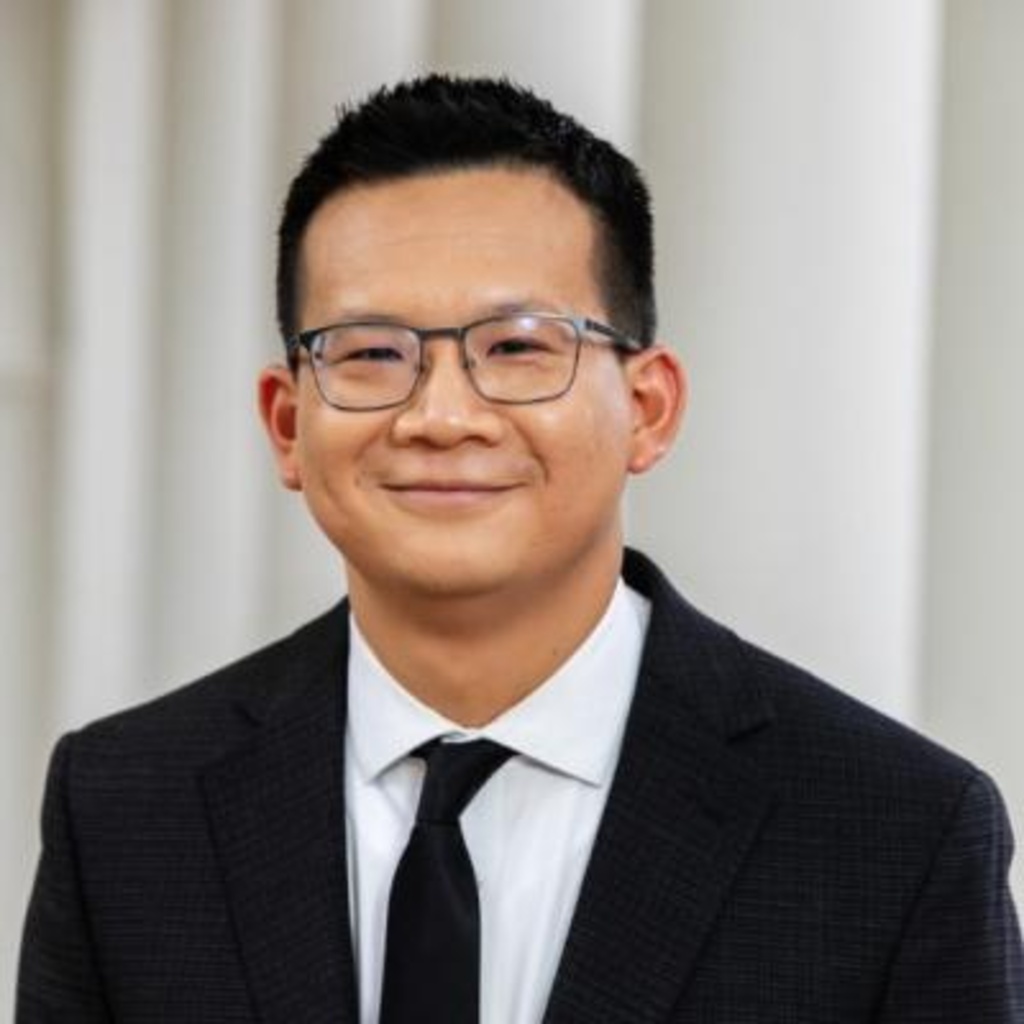
Brandon Yik earned sequential B.S. and M.S. degrees at the University of Michigan, followed by an M.S. in inorganic chemistry at Georgia Tech. He then transitioned into chemistry education research, completing a Ph.D. at the University of South Florida and postdoctoral training at the University of Virginia. In summer 2024, he began his independent career as an Assistant Professor at the University of Georgia. The Yik Research Group advances chemistry learning and teaching through a mixed-methods research program that integrates artificial intelligence and machine learning with survey research, advanced statistical modeling, and semi-structured interviews. Current projects examine the capabilities and classroom uses of generative AI, the impacts of alternative grading, student engagement with scientific practices, and evidence-based instructional pedagogy and assessment.